Introduction
Behind every voter-roll update lies legal guidance from India’s highest court.
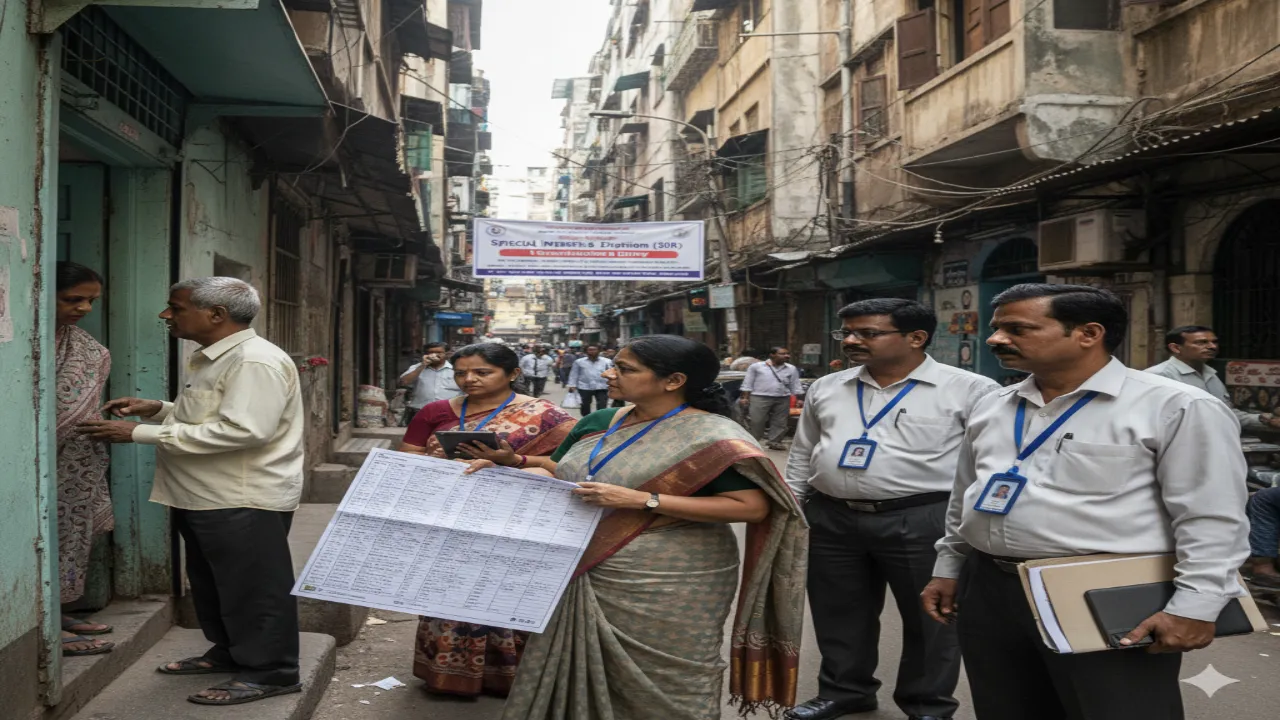
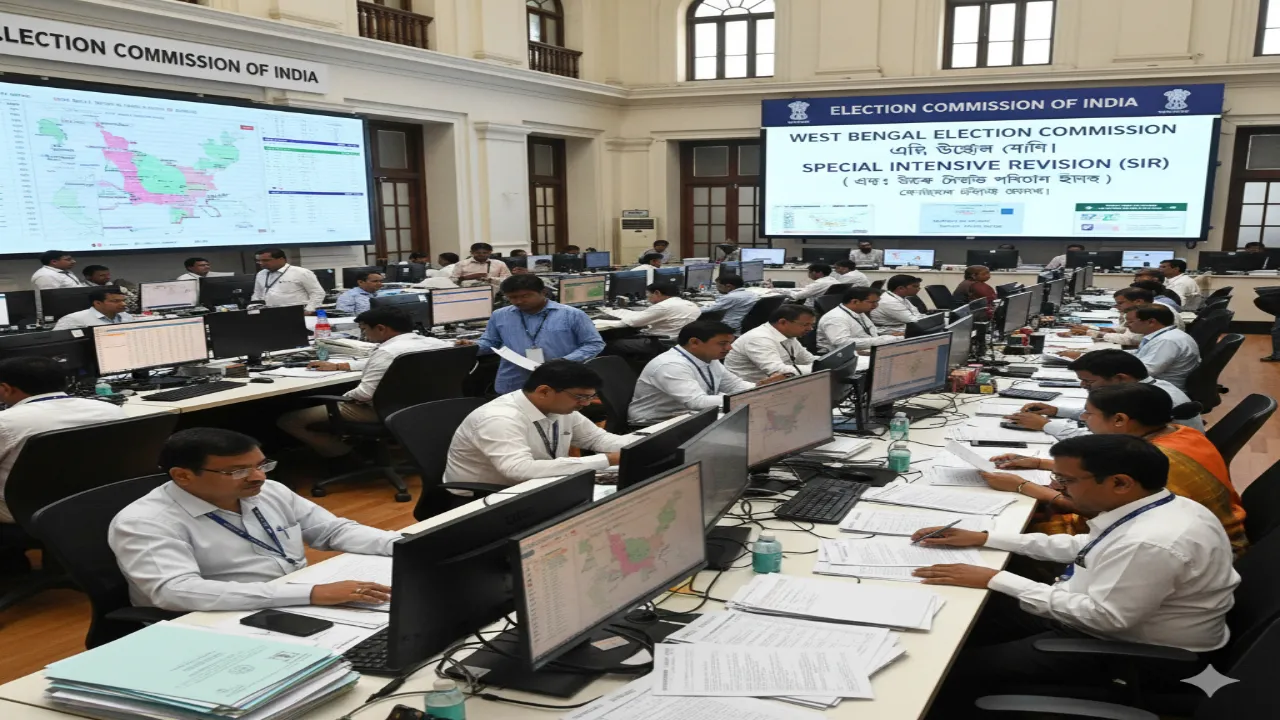
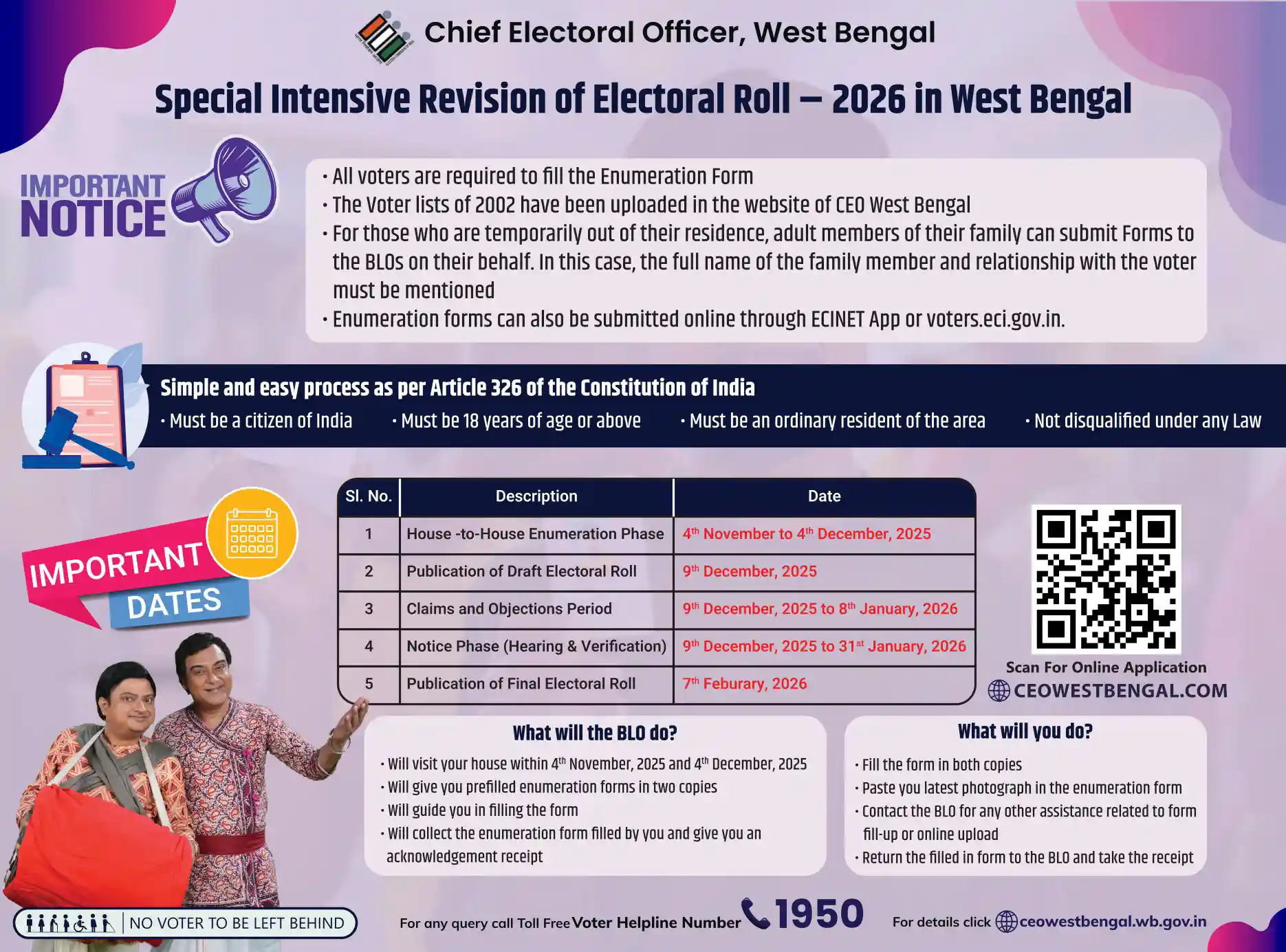
In the context of the Special Intensive Revision (SIR 2025) in West Bengal, a series of Supreme Court verdicts has defined how the Election Commission of India (ECI) must protect voter rights while cleaning the rolls.
Read also: What Is SIR and Why It’s Happening in West Bengal
Official ECI press release on legal framework – https://eci.gov.in
Quick Summary: Supreme Court Directives on SIR
The Supreme Court of India has issued key guidelines to ensure that the SIR process remains transparent, neutral, and fair.
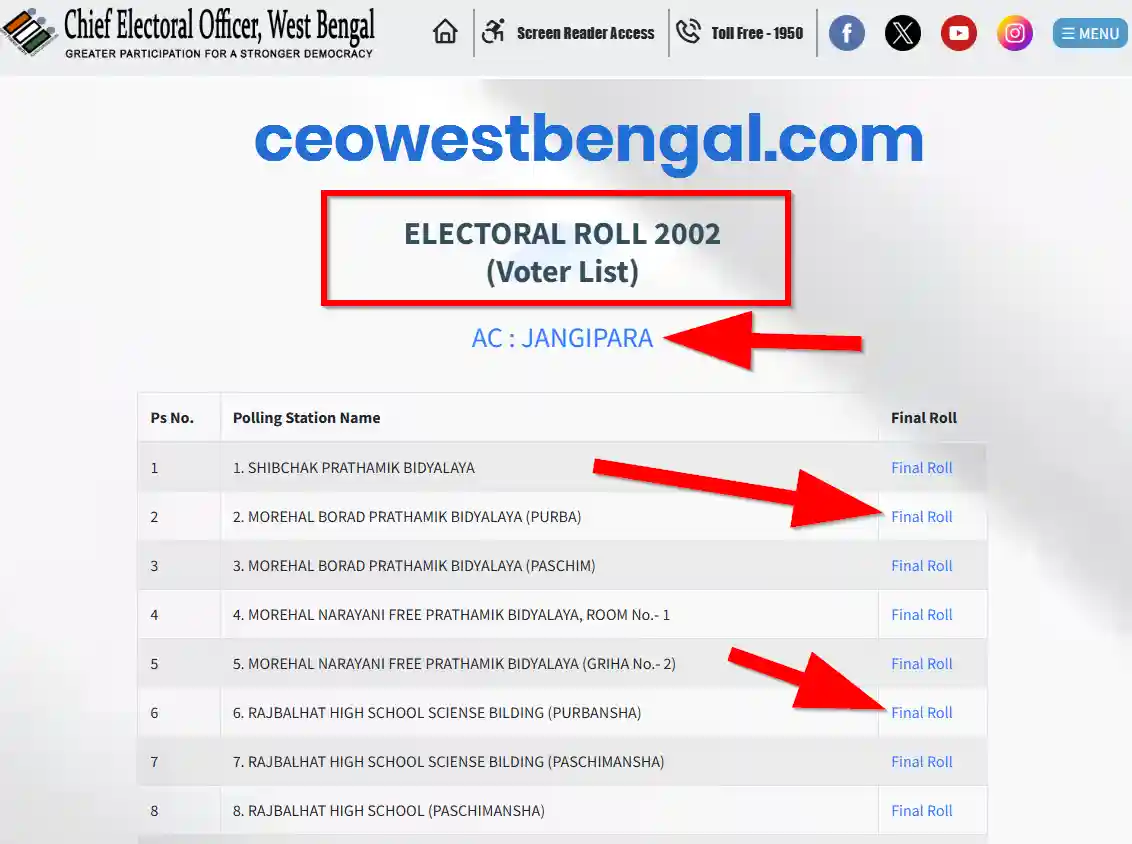
Transparency: Draft voter lists must be publicly available for citizen verification.
Citizen Participation: Every voter has the right to object, add, or correct entries.
Neutrality: ECI officers must act without political influence.
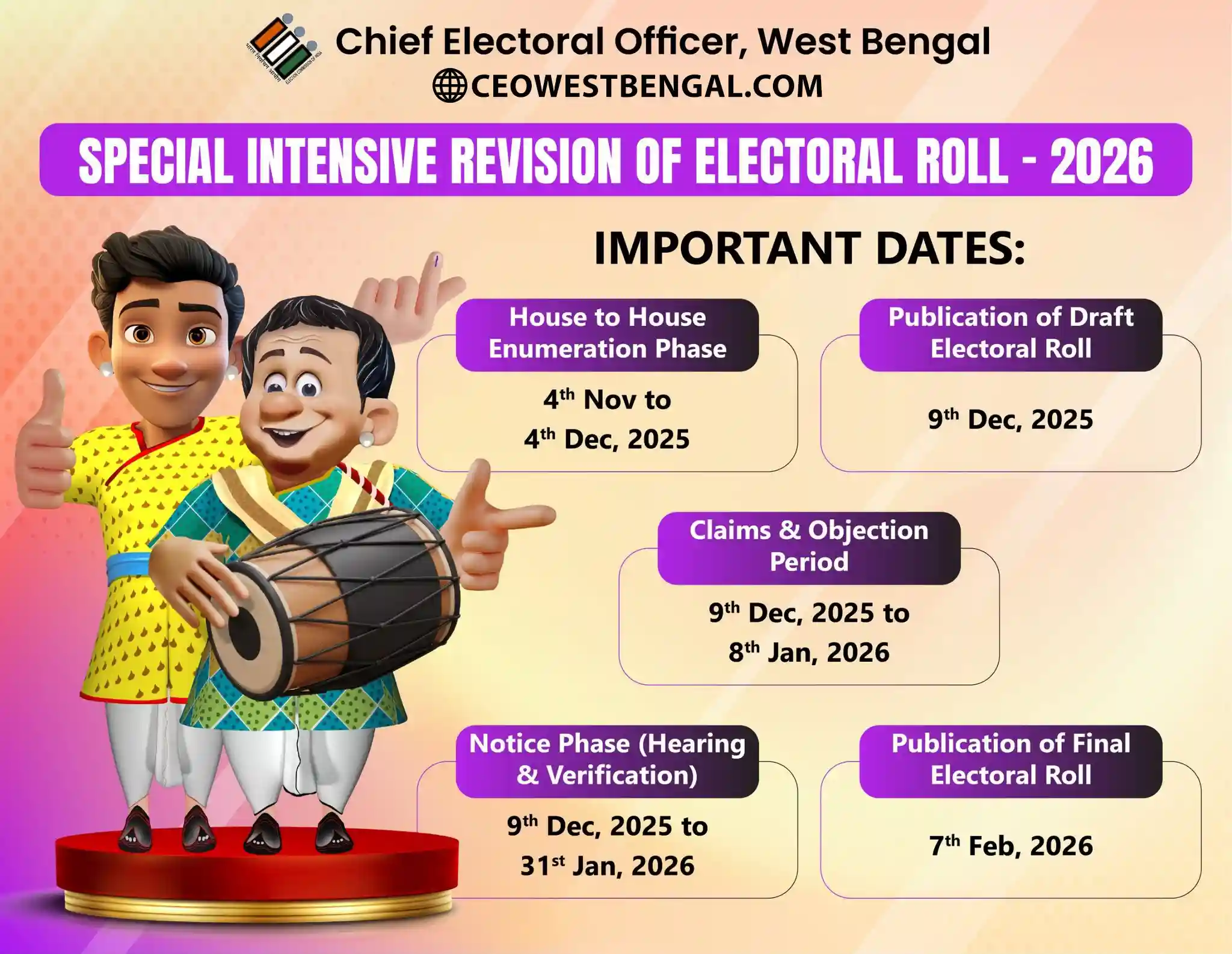
Timelines: All SIR deadlines must be strictly followed to avoid election delays.
Landmark Verdicts Guiding the SIR Process
People’s Union for Civil Liberties vs. Union of India (2003)
– Upheld the right to vote as a constitutional right under Article 326.
– Directed the ECI to ensure transparency in voter lists and candidate information.Resurgence India vs. ECI (2014)
– Ordered the ECI to clean voter rolls annually and publish summary data.
– Led to the creation of annual revision rules and citizen objection windows.Common Cause vs. Union of India (2018)
– Clarified that deletion of names requires written notice and a chance to respond.
– Reinforced the principle of “no disenfranchisement without due process.”
Take a look on Controversies and Criticisms Surrounding SIR West Bengal
Supreme Court Judgments database – https://sci.gov.in/
Recent Directives Affecting SIR 2025
In 2024, the Court reaffirmed that voter-roll purification must balance accuracy and inclusion. It ordered the ECI to maintain a digital audit trail and publish summary data for public review.
These rulings are now built into SIR 2025 instructions sent to all state EC offices.
How These Verdicts Apply to West Bengal’s SIR
Under current ECI orders:
- No voter can be deleted without written notice and on-site verification by a BLO.
- Citizens can file objections online via https://voters.eci.gov.in.
- Appeals are handled at district level before final publication.
Legal Oversight and State Coordination
The Calcutta High Court is monitoring SIR-related petitions based on these Supreme Court principles. This ensures that citizen complaints are reviewed within days, not months.
Expert Opinion
Legal analysts say the Court’s interventions have made India’s electoral process more accountable. Judicial review now protects against mass deletion and political influence in roll updates.
Readers also check the comparitive analysis on SIR Process in Other States: Lessons and Comparisons.
What Voters Should Do
- Check Draft Voter List: Ensure your name appears correctly.
Internal link: Check & Update Your Name During SIR West Bengal (/check-update-your-name-during-sir-west-bengal) - File Corrections Promptly: Use Forms 6, 7, or 8 for additions, deletions, or corrections.
- Keep Acknowledgment Receipts: Proof of submission is critical if legal disputes arise.
- Monitor Updates: Follow CEO portal announcements and BLO visits.
Know more in: how to check and update your name during SIR West Bengal 2025
Conclusion
Supreme Court oversight ensures that West Bengal’s SIR 2025 remains fair, transparent and legally sound. Voters should regularly check their entries, file corrections promptly, and track ECI notifications to protect their rights.