Introduction
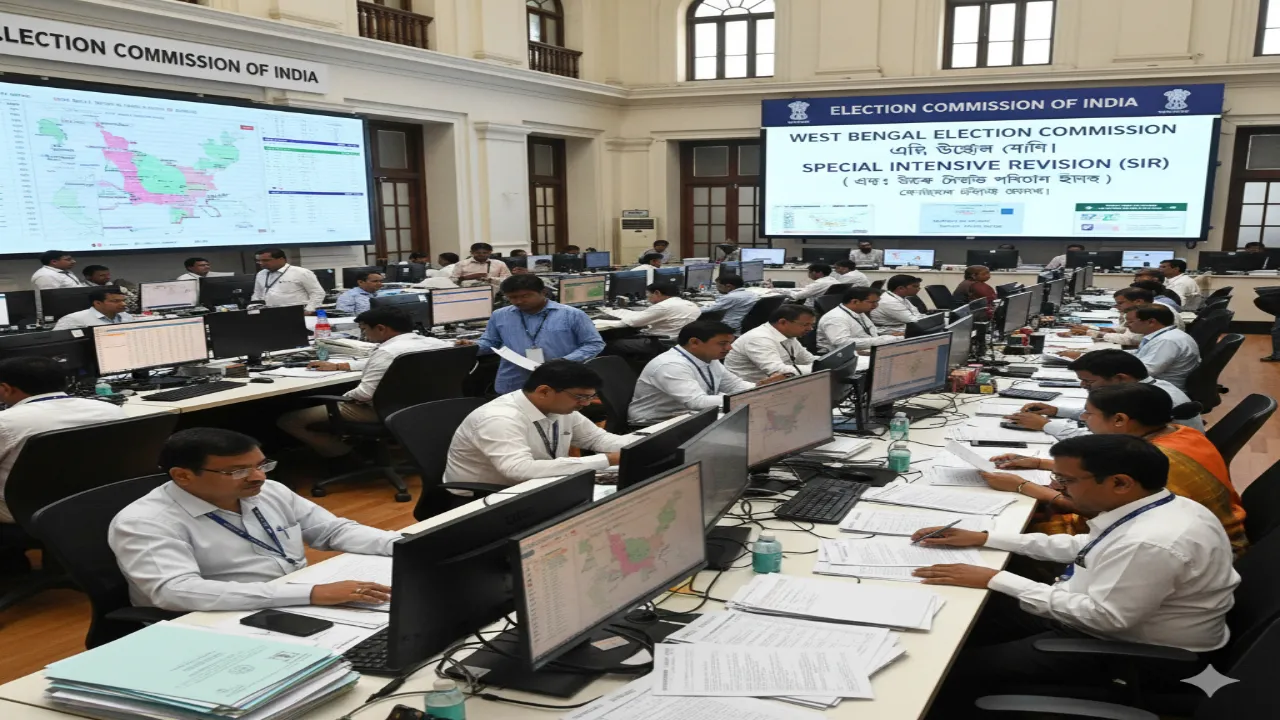
West Bengal’s voter rolls have long faced challenges due to outdated entries, duplicate registrations, and occasional errors. To address these issues, the Election Commission of India (ECI) ordered a Special Intensive Revision (SIR) in 2025, focusing on comprehensive verification and cleaning of voter records.
The SIR aims to ensure that every eligible voter is correctly registered and that the electoral rolls reflect the true democratic will of the people. The move is especially crucial ahead of elections, where accurate voter data is vital for fair outcomes.
External link: According to the Election Commission of India, these intensive revisions are part of ongoing efforts to strengthen India’s electoral framework.
Reasons Behind the SIR in West Bengal
The Election Commission identified several key issues that prompted the 2025 SIR in West Bengal:
- Duplicate Entries: Multiple registrations for the same individual in different locations
- Outdated Information: Names and addresses not updated after migration or relocation
- Election Integrity: Ensuring accurate records to prevent fraud and discrepancies
The SIR also helps improve voter accessibility by making it easier for citizens to verify and update their records ahead of elections.
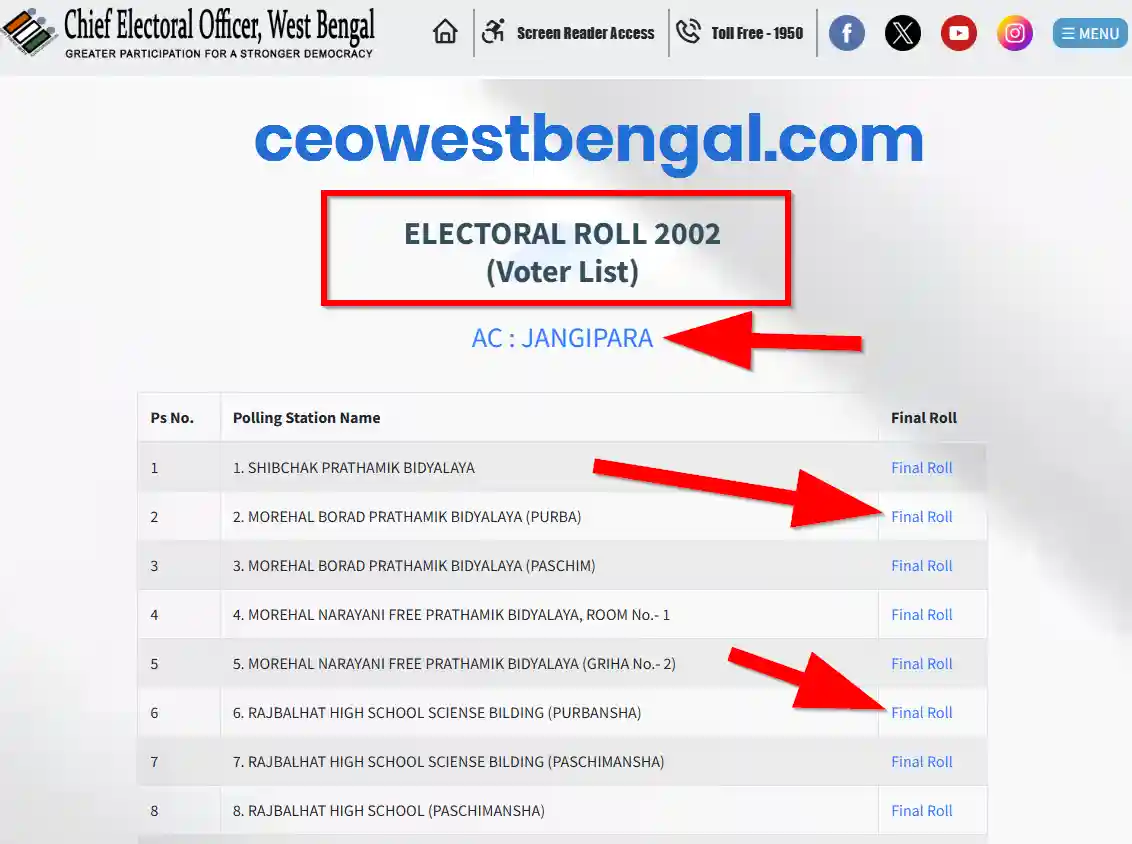
For guidance on updating your voter information, see Check & Update Your Name During SIR West Bengal
The Indian Express highlights that thorough voter roll cleaning helps reduce disputes and improves public confidence in the electoral system.
How the SIR is Implemented
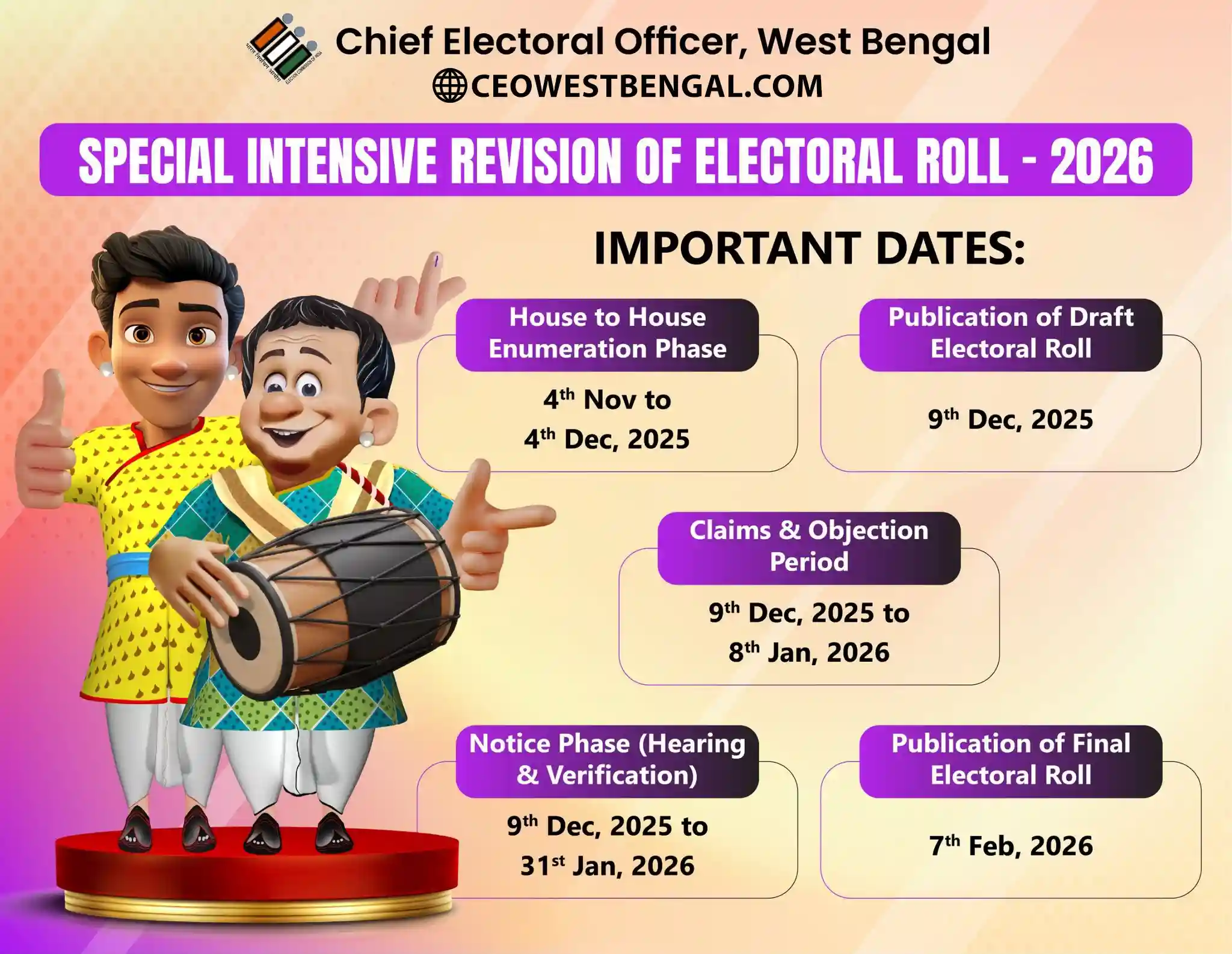
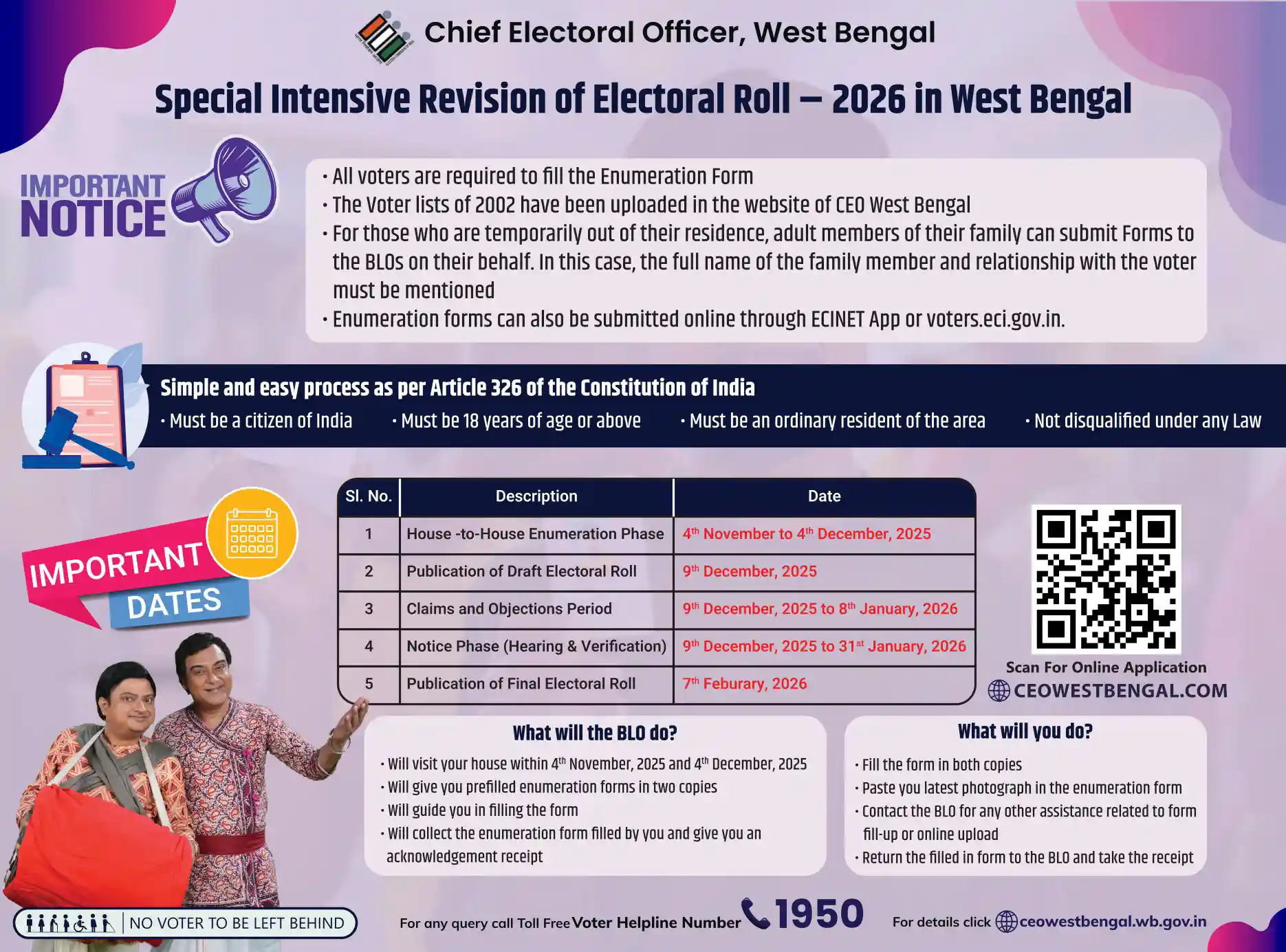
The ECI’s SIR process is structured and time-bound:
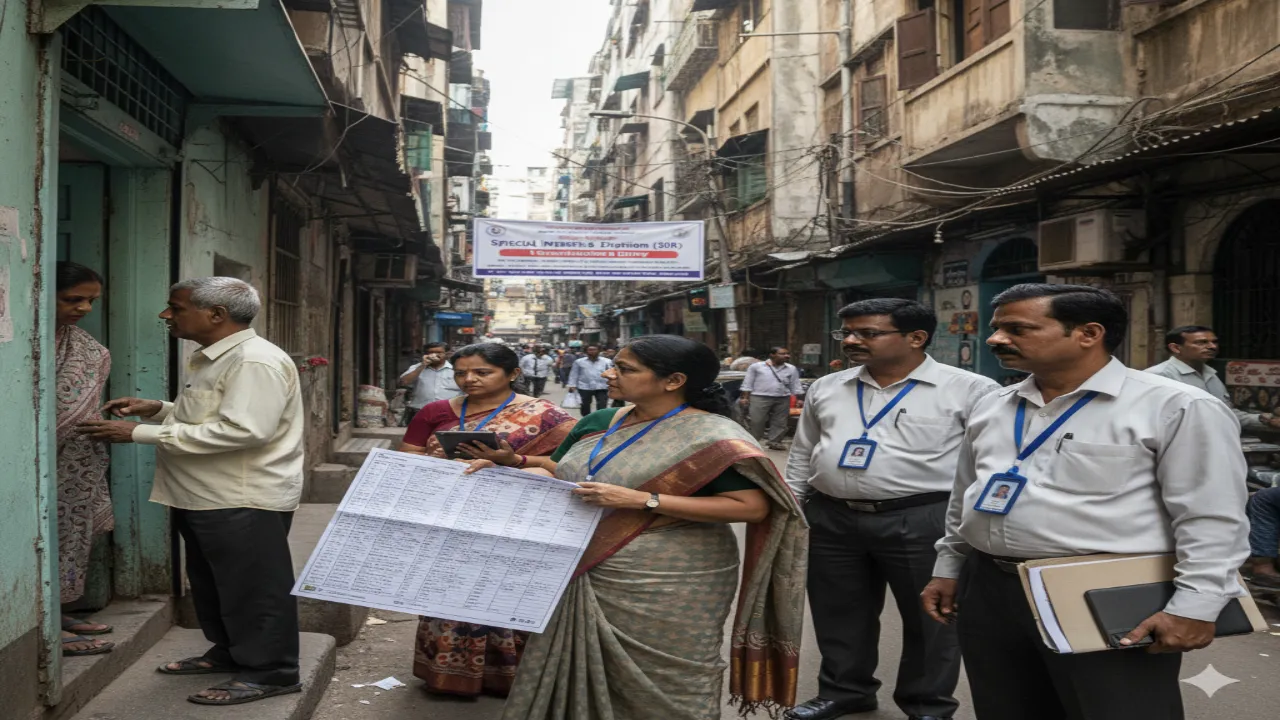
- Verification: Officials cross-check each voter entry against official documents.
- Correction: Citizens with incorrect or outdated details are contacted to update information.
- Removal: Duplicate or invalid entries are removed after verification.
- Monitoring: The process is monitored at both state and national levels to ensure transparency.
Detailed steps are explained in Inside Bengal’s 100-Day SIR: How the Election Commission Plans to Clean the Voter Rolls.
NDTV reports that similar voter roll cleanups in other states have led to significantly more accurate electoral lists.
Public Awareness and Participation
Public engagement is a key part of SIR. Citizens are encouraged to:
- Check if their names appear correctly on voter lists
- Submit corrections for errors in personal details
- Participate in the verification drives organized by local election offices
This collaborative approach increases transparency and ensures that voters can exercise their rights without facing registration-related obstacles.
Read also: SIR in India: Bengal vs Tripura and Assam
According to the Press Information Bureau, voter education campaigns are essential to the success of such intensive revisions.
Controversies and Legal Oversight
Despite its importance, the SIR has sparked debates:
- Some residents and political observers question the timing and logistics of the revision
- Concerns over accessibility and documentation requirements are occasionally raised
- The Supreme Court and other judicial bodies oversee the process to ensure compliance with laws
Legal aspects are discussed in Supreme Court Verdicts on Voter Roll Purification & SIR Accountability
PIB confirms that all SIR activities are conducted under strict legal guidelines.
Conclusion
The Special Intensive Revision (SIR) in West Bengal reflects the ECI’s commitment to clean and accurate voter rolls. By addressing duplicates, outdated information, and errors, the commission ensures that elections are fair, transparent, and representative of the citizens’ true intent. Voter participation in verification and updating processes is key to the success of SIR.