Introduction
The 100-Day Special Intensive Revision (SIR 2025) is one of the most ambitious voter-list drives ever attempted in West Bengal. From Kolkata to Jalpaiguri, thousands of Booth Level Officers (BLOs) are working to verify and update every eligible voter’s record.
Read also: What Is SIR and Why It’s Happening in West Bengal
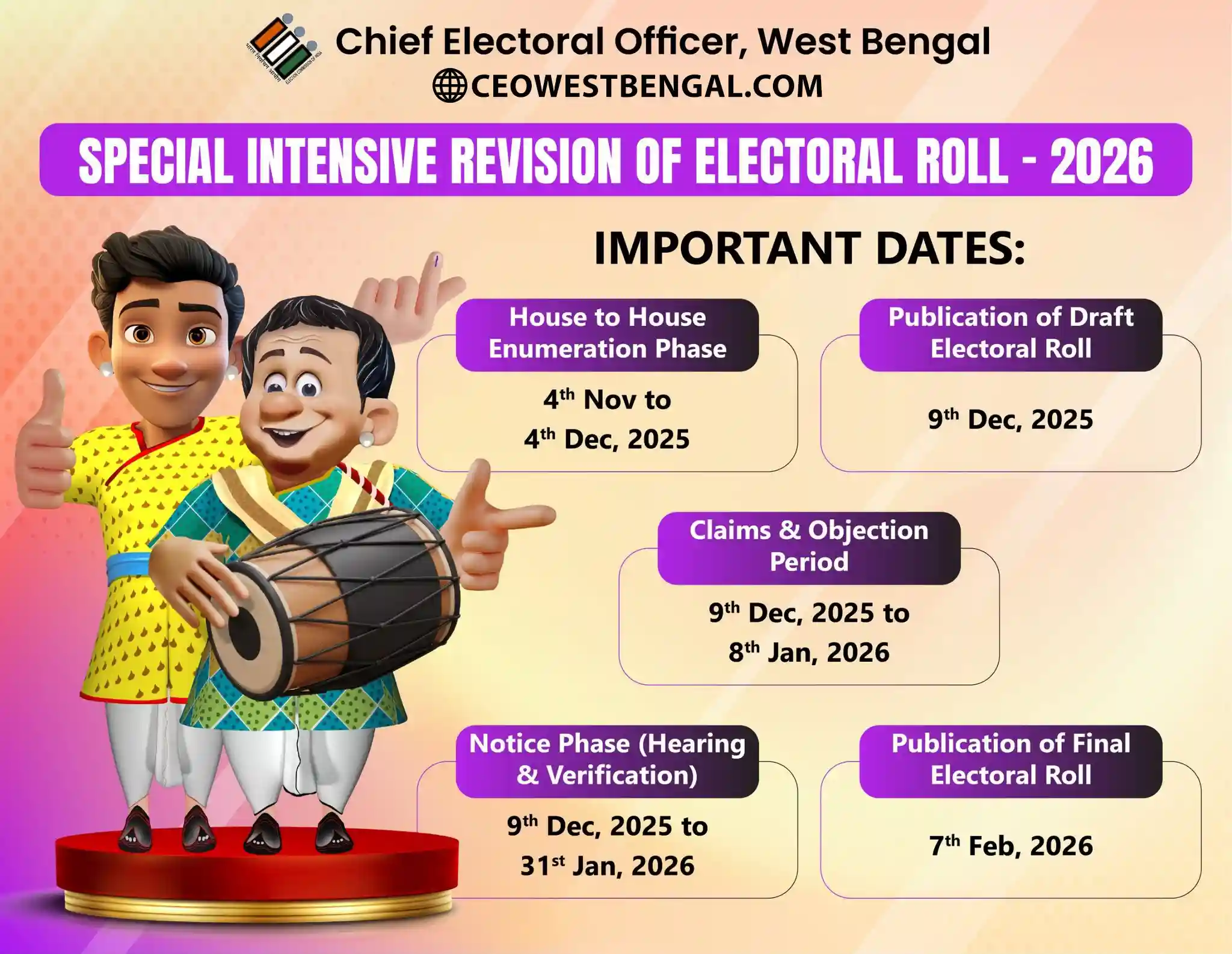
Timeline and Milestones
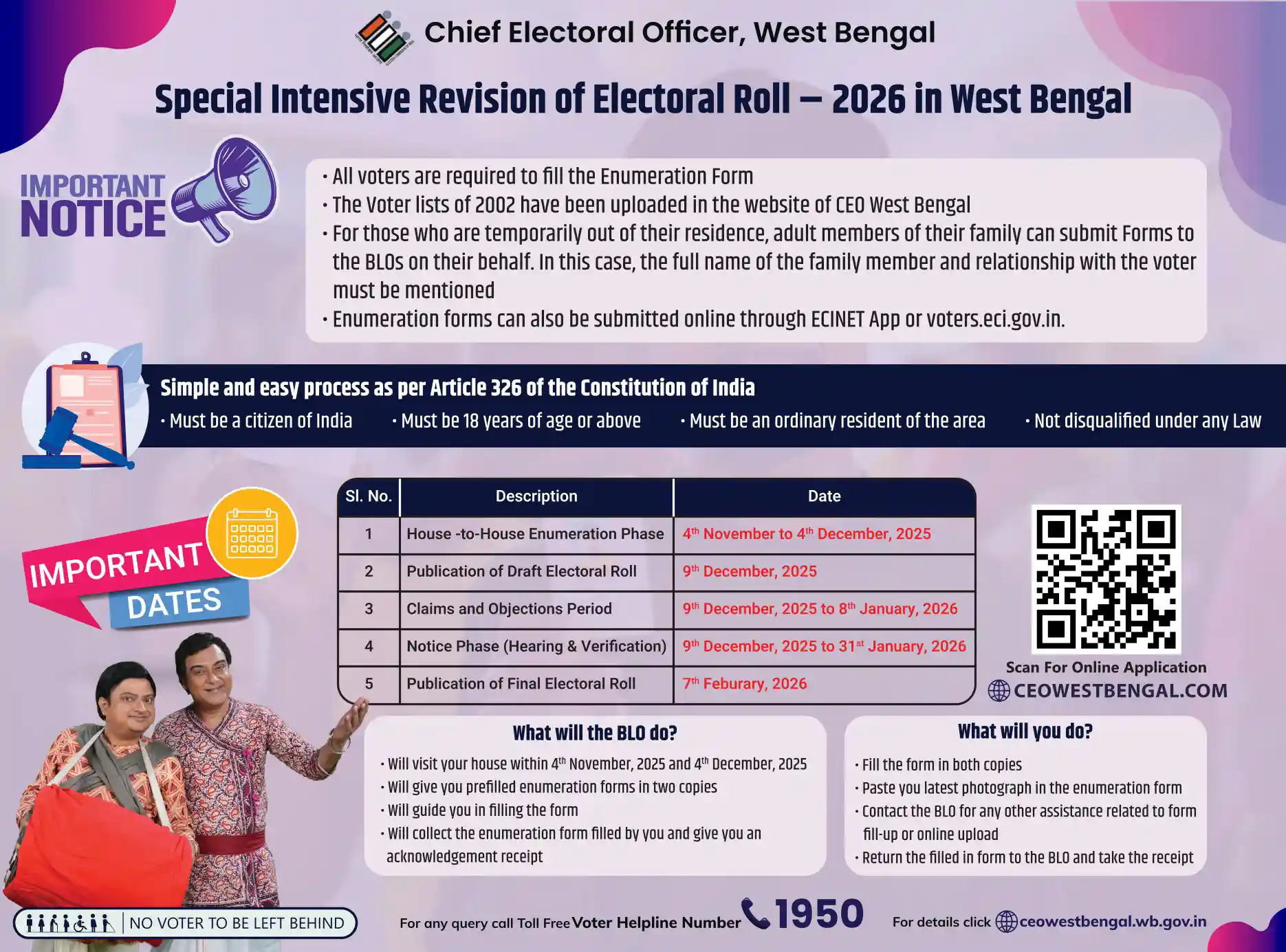
The Election Commission of India (ECI) kicked off the SIR on October 10, 2025, with the goal of finishing data collection by January 15, 2026.
Key checkpoints:
- October–November: BLO enumeration and data collection
- December: Draft roll verification and corrections
- January: Final publication and voter appeals
How the ECI is Organising Verification (Field → Desk → Audit)
1. BLO enumeration (field level)
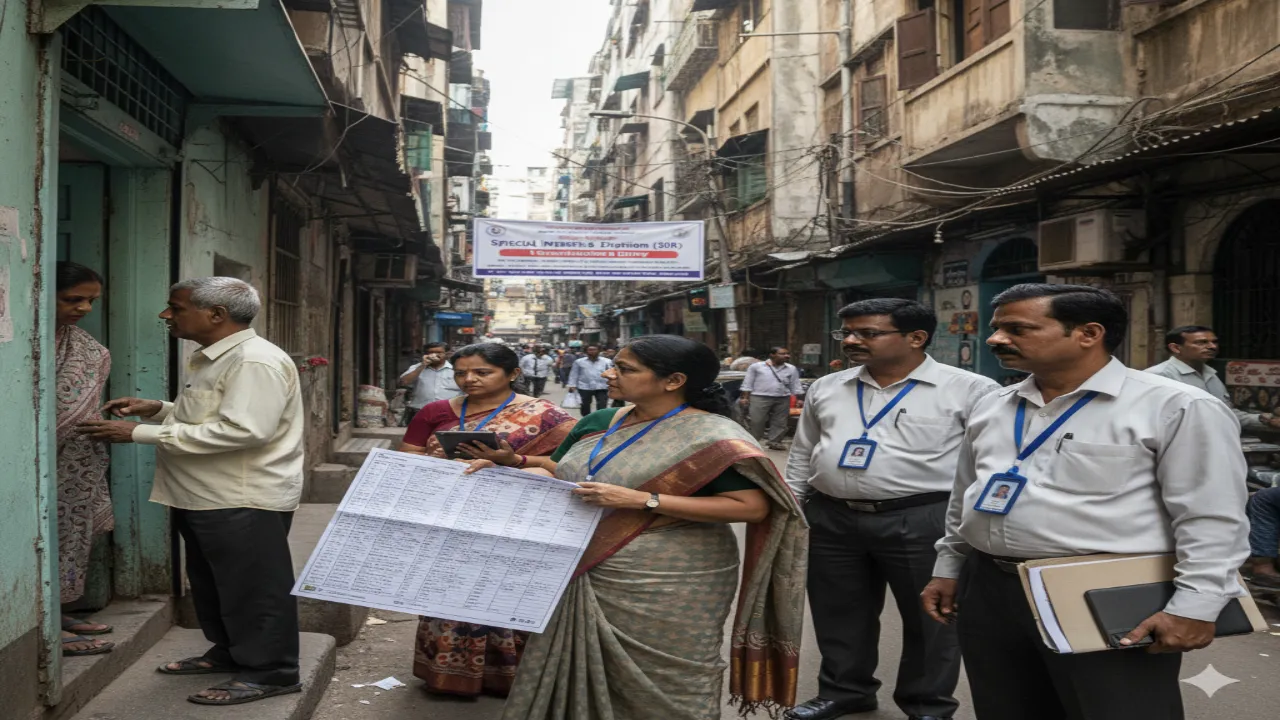
BLOs visit households (often up to three attempts) to distribute and collect enumeration forms and to record basic EPIC and photo details. Households are issued duplicate forms and given acknowledgement receipts. Telegraph India
2. Supervisor & district review (desk level)
Data collected by BLOs is reviewed by supervisors and district scrutiny teams to catch obvious duplicates and inconsistencies.
3. Final audit and publication
After objections and corrections, the final roll is prepared and published, with legal safeguards for appeals.
Tech and Transparency
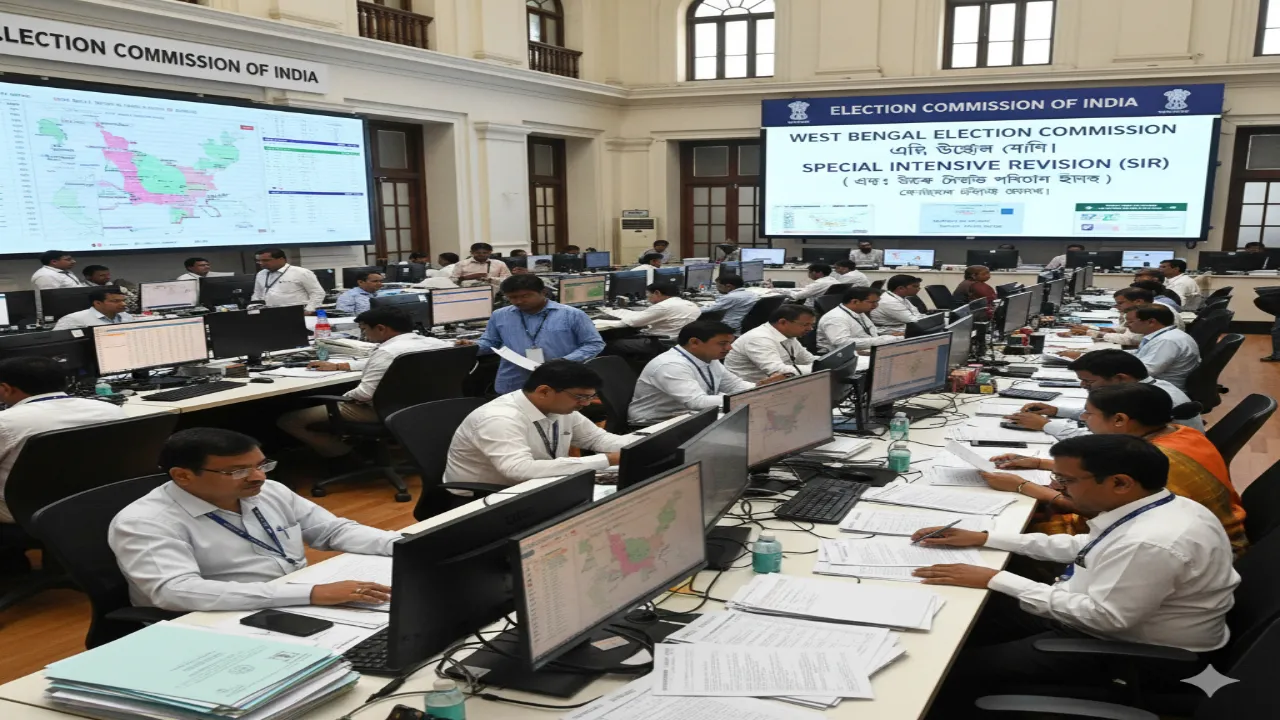
To increase transparency, the ECI is using digital tools — GPS-tagged enumeration, time-stamped uploads, and dashboard monitoring accessible to authorised supervisors. However, rollout saw early tech glitches on the first day in some districts, prompting rapid patches and helpdesk support from ECI teams. www.ndtv.com
See how other states manage SIR monitoring in SIR Process in Other States: Lessons and Comparisons.
Indian Express coverage of SIR rollout and practical guidance — The Indian Express
Scale and Logistics
The SIR in West Bengal covers millions of electors and thousands of polling-area booths. State and district teams coordinate logistics — from printing duplicate enumeration sets to routing BLO work using mapping tools. The scope requires strict daily monitoring and frequent progress reports to the ECI. Telegraph India
Oversight, Legal Safeguards and Court Guidance
The ECI conducts SIR under the Representation of the People Act with oversight from courts where disputes arise. The Supreme Court has emphasised that revisions must protect voter rights and offer clear notice before deletion. Citizens have recourse through draft lists, objections, and appeals. Hindustan Times
Legal context: Supreme Court Verdicts on Voter Roll Purification & SIR Accountability.
Public Response and What Voters Should Do
Many citizens welcome the drive for cleaner rolls but some worry about exclusions or tech issues. Voters should:
Keep their EPIC (Voter ID) number handy;
Keep two recent passport-size photos ready if BLOs ask.
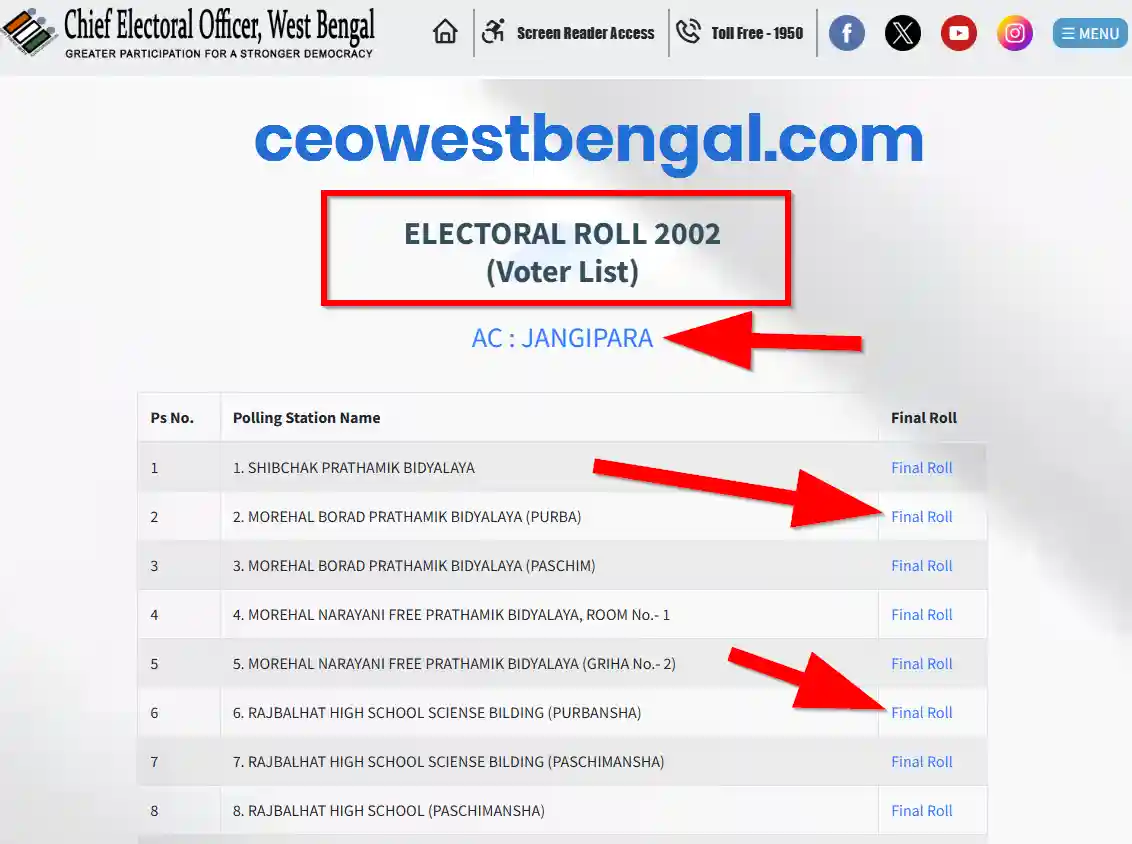
Check the draft list when published and submit Form-6/7/8 for any additions or corrections.
Contact BLOs or EROs if entries are missing or inaccurate.
Learn how to check & update your name during SIR West Bengal.
Practical checklist and form guidance — The Telegraph / MyKolkata SIR guide
Conclusion
West Bengal’s 100-Day SIR is an administrative heavy-lift that pairs traditional door-to-door enumeration with digital monitoring. The ECI’s focus is to produce accurate voter rolls while ensuring no eligible voter is wrongly deleted — but citizens must engage early: verify, object, and follow up where necessary.
See why Election Commission of India ordered SIR in West Bengal.