Introduction
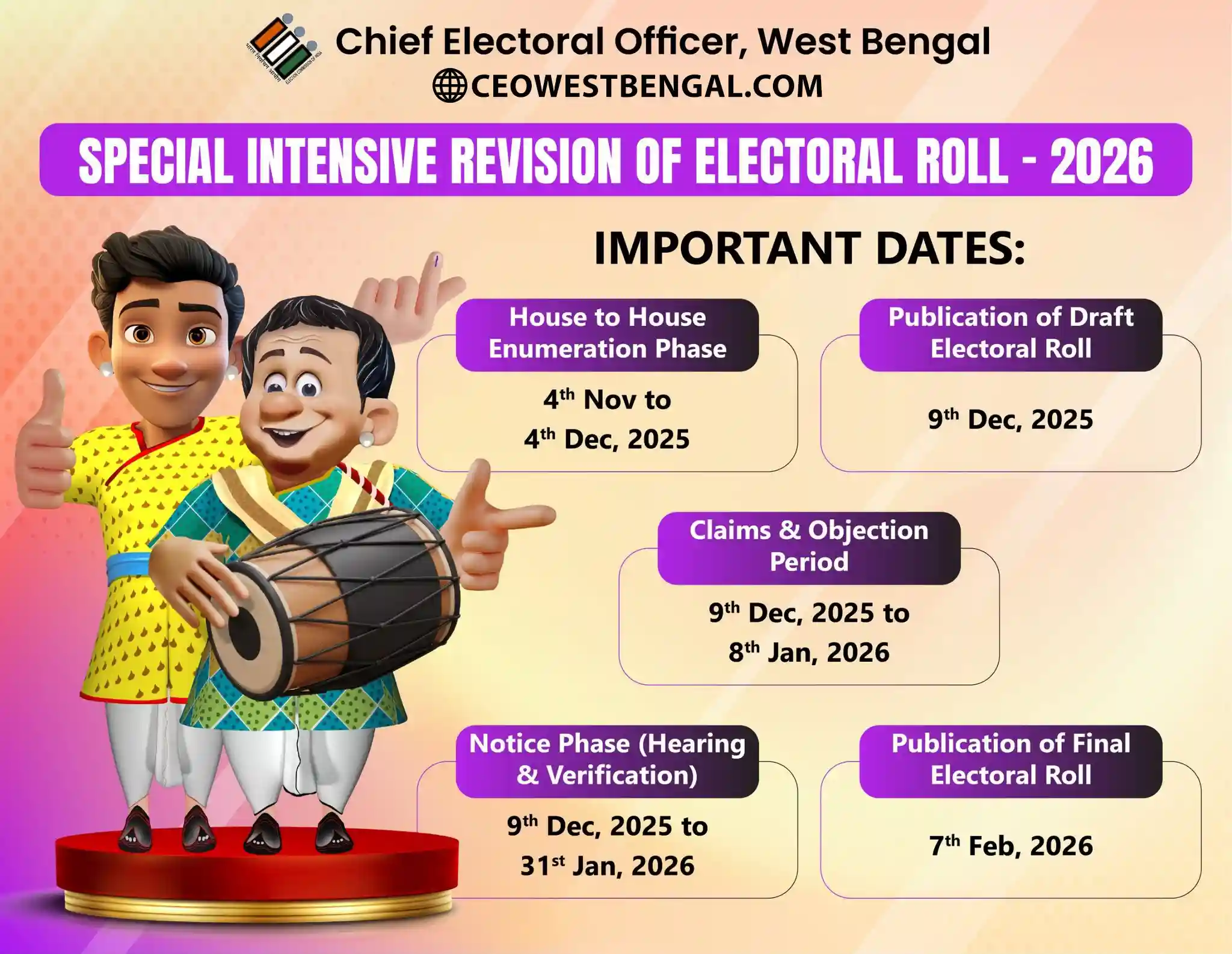
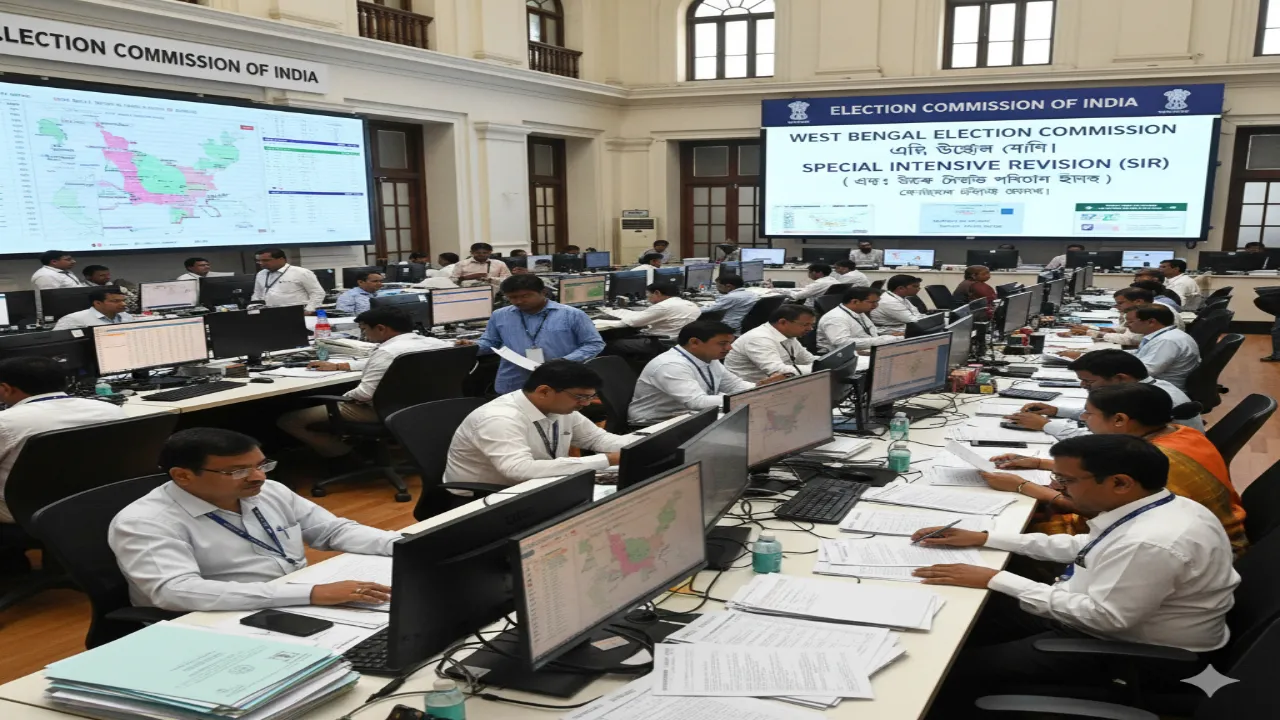
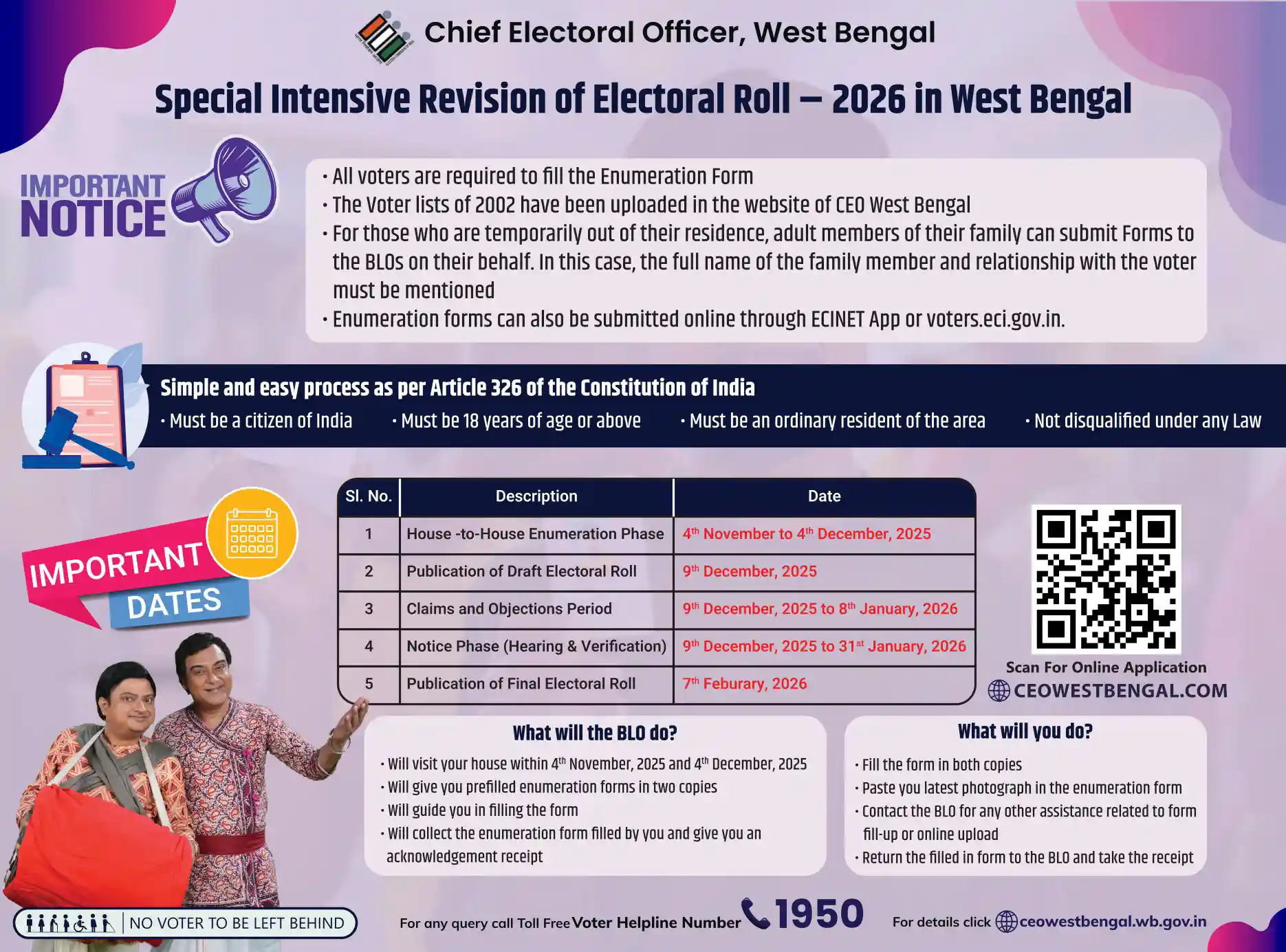
While West Bengal’s Special Intensive Revision (SIR 2025) is underway, states such as Tripura, Assam and Bihar have already completed similar revision drives.
Comparing their methods offers valuable lessons for Bengal as the Election Commission seeks to make the electoral roll error-free and transparent.
Know more about What is SIR and Why It’s Happening in West Bengal.
Tripura – Early Completion and Door-to-Door Drive
- Used geo-tagged mobile apps for BLOs.
- Verified new voters through Aadhaar cross-checks.
- Created “mobile verification units” for remote villages.
- Tripura completed its SIR cycle ahead of schedule in 2024 with a reported 98% voter-roll accuracy.
Learn about West Bengal’s field process in Inside Bengal’s 100-Day SIR.
Tripura EC press note on completion.
Assam – Balancing Verification and Public Trust
Assam conducted its SIR soon after the NRC process, which made voter verification particularly sensitive.
Key steps included:
- Deploying independent observers to prevent bias.
- Running door-to-door information campaigns in border districts.
- Allowing digital objection filing through the CEO Assam portal.
The Election Commission of India (ECI) has excluded Assam from the recent nationwide Special Intensive Revision (SIR) of electoral rolls due to the state’s specific citizenship laws and the pending National Register of Citizens (NRC) update. The ECI plans to issue a separate, special order for Assam’s voter list revision at a later time. For more details, visit The Hindu.
Take look on Controversies and Criticisms Surrounding SIR West Bengal.
Bihar – Data Auditing and Transparency Lessons
Bihar introduced public “voter roll display days” in panchayats and used district audits to verify deletions.
The state also piloted a simple SMS-based status service so citizens could check if their correction was approved.
The ECI has defended the Bihar SIR exercise as an effort to create “accurate and error-free electoral rolls” by removing duplicate, shifted, or deceased voters and ensuring all eligible voters are included through door-to-door verification and Aadhaar authentication on a voluntary basis. – ETLegalWorld.com
Common Challenges Across States
Despite successes, every state faced three shared challenges:
- Manpower shortage – Limited BLO availability in rural zones.
- Digital infrastructure – Portal slowdowns during peak hours.
- Public communication – Need for local-language campaigns.
- To address these, the ECI plans a national review of SIR protocols after Bengal completes its 2025 cycle.
Lessons for West Bengal
- Transparency first: Publish weekly district progress reports.
- Tech with training: BLOs should get hands-on training with mobile apps.
- Citizen hotlines: Dedicated helpdesks improve trust and response time.
If implemented, these steps can help West Bengal set a national benchmark for voter-list clean-ups.
Check what other states can learn – SIR in India: Bengal vs Tripura And Assam.
Conclusion
The SIR process across Indian states demonstrates both diversity and consistency. By comparing approaches, states can adopt best practices, improve voter-roll accuracy, and strengthen electoral integrity nationwide.